Every emergency situation has a form. Sometimes it is a silent alarm system, often it is smoke curling from a plant room, sometimes it is an overwhelmed visitor pushing the wrong break-glass panel. The chief warden's task is to acknowledge that form early, organise a tranquil response, and get individuals to safety while keeping the website operating as far as sensibly feasible. Doing that well takes greater than a quick instruction and a high-visibility vest. It takes structured training, evidence of skills, and a plan to maintain money throughout years, new building systems, and personnel turnover.
This write-up sets out the practical training pathway for wardens and chief wardens, the devices of proficiency that matter, the proof assessors search for, and a practical sight on recertification cycles. It draws on a mix of event debriefs, audit searchings for, and the uncomfortable lessons learned when alarms sound throughout top trade or change change.
Where chief wardens fit in the emergency situation control organisation
The emergency situation control organisation, or ECO, is the structure that turns a layout into an emptying. It consists of the chief warden, replacement chief warden, area or flooring wardens, interactions police officers, wardens for individuals with special needs, and specialists like initial aiders. The chief warden leads the ECO, guides the approach, liaises with emergency situation solutions, and authorises a partial or full evacuation.
On websites with sophisticated systems, the ECO has to incorporate with structure management systems, fire sign panels, cause‑and‑effect matrices, and specialist work permits. On tiny sites, the ECO might be 3 people and a portable warden intercom phone. The training pathway ranges to both, yet the duties of the chief warden continue to be consistent: lead, decide, connect, and make up people.
The training spine: PUAFER005 and PUAFER006
Two nationally acknowledged devices underpin most warden training in Australia.
PUAFER005 Run as component of an emergency control organisation concentrates on the core abilities for all wardens. Trainees learn to reply to alarm systems, examine risks, guide residents, aid with searches, and use the warden intercom and portable tools. A legitimate puafer005 course is not a slide deck regarding concept. It must consist of hands-on experiment your panel simulate, cautioning system, and regional treatments. When this unit is delivered generically without website context, wardens carry out the hand-operated tasks but fail when a system acts in different ways to the textbook.
PUAFER006 Lead an emergency control organisation is the management layer. The puafer006 course constructs choice making under uncertainty, case control, interactions self-control, and liaison with going to fire services. It deals with approach selection, partial emptyings, handling vulnerable passengers, and moving from an emergency situation to healing. Principal wardens and their replacements need to complete PUAFER006, ideally after or alongside PUAFER005, since the latter offers the common language and the previous sets the command tone.
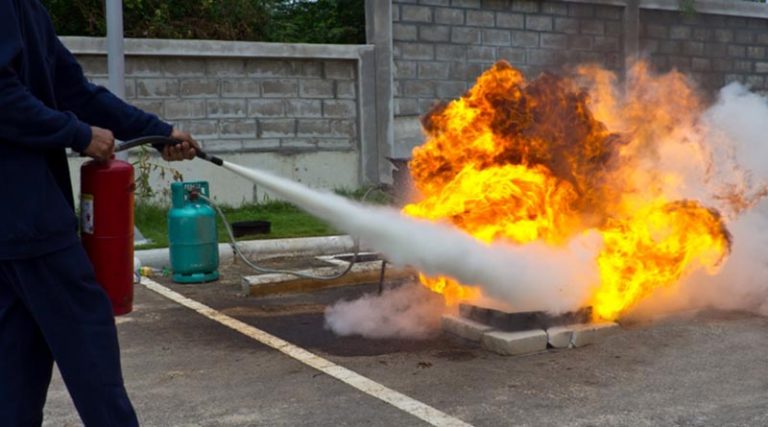
Many carriers package these devices into a combined warden course or chief warden course. The calling differs: chief fire warden course, chief emergency warden, or just "chief warden training." What matters is the mapping to PUAFER005 for wardens and PUAFER006 for primary wardens, and the top quality of the site-based practical.
Fire warden training needs in the workplace
If you are an individual conducting a business or endeavor, you need to ensure your emergency warden training is proper for your dangers, tenancy, and systems. That indicates:
- The variety of wardens suits your headcount, flooring plate, and operating hours. Generally of thumb, prepare for one warden per 20 to 50 residents in low-complexity locations, increasing protection in high-risk rooms like labs, kitchens, and plant rooms. Graveyard shift require their own insurance coverage, not a reliance on day staff. Training content aligns with your emergency strategy and your equipment. If you have a WIP network, practice with it. If you have a resident warning system with organized tones, drill the distinction in between sharp and emptying tones. If you have a room with smoke drapes, demonstrate their automated procedure and hands-on override. Wardens can demonstrate practical abilities. That consists of using extinguishers and fire blankets where safe, shepherding crowds through smoke area doors that close immediately, and inspecting toilets or silent rooms during a search pattern. Records are maintained. Auditors seldom question the option of company. They try to find currency, sign-in sheets, unit codes, and a web link back to your website's emergency procedures.
Some organisations choose annual fire warden training with shorter refreshers each 6 months. That rhythm works well in multi-tenant sites where tenant wardens revolve. In single-occupant offices with secure team, a complete course every 2 years may be acceptable if drills and tool kit updates take place in between. The threat profile, not the calendar, ought to drive the decision.
Chief warden obligations that form the training
I have seen skilled principal wardens do 3 points that never appear as bullet factors in a proficiency standard: they specify pace, they possess the radio channel, and they preserve situational humility.
Tempo is about pacing actions. If smoke is pressing from a shop space, there is necessity, however still time to close doors, reveal plainly, and leave in a controlled way. Panic spreads when leaders shout. Complacency spreads when leaders are reluctant. Training for chiefs should simulate that tension, frequently with a time‑compressed scenario and injected details, such as a disabled lift, a missing out on contractor, or a second alarm.
Owning the radio channel implies brief transmissions, appropriate phone call signs, and zero fluff. The chief warden's name is not as essential as the role. If radios are not utilized everyday for operations, they will certainly break down during a discharge. Training must consist of radio decorum and stringent self-control concerning cross‑talk.
Situational humility is approving what you do not recognize and asking for it. I remember a building where a professional took sanctuary in a riser cabinet during an alarm system, thinking it was "much safer." The chief warden asked the basic, efficient concern: "All floor wardens, do we have eyes on all specialists who checked in today?" That punctual caught the anomaly rapidly. Training should normalise asking for confirmations, not assumptions.
The proof trainers and auditors actually want
Training companies and auditors are lined up on one point: competence has to be shown, not insisted. For PUAFER005 and PUAFER006, normal proof includes third-party records, observation checklists, scenario engagement documents, and composed assessments. Each plays a role.
Third-party reports function when the manager or building supervisor talk about the student's performance across drills and small cases. These records are stronger when they mention dates, details jobs, and end results. "Angela executed an orderly partial emptying of Degree 7 on 12 Might after a local smoke detector isolated the kitchen zone. She preserved WIP comms, accounted for all personnel, and liaised with attending Fire Rescue Victoria." That sentence proves proficiency much better than a tick box.
Observation checklists should not be rubber stamps. A well-run workout enables an assessor to search for series errors, such as initiating a complete discharge without validating the need, or stopping working to assign a warden to the stairway door to prevent re-entry. Assessors like to see or hear the chief warden confirm muster point protection, especially near packing anchors where trucks maintain moving.
Scenario involvement documents matter most for PUAFER006. Great circumstances include decision forks. For example, a smoke alarm gets rid of after an upkeep specialist confesses to dust while grinding. Do you reoccupy promptly, carry out a presented return, or wait on fire service clearance? There is no single right response throughout all sites. The capability depends on inquiring, recording the decision, and interacting it coherently.
Written assessments confirm underpinning understanding: alarm kinds, evacuation approaches, extinguisher courses, and the structure of an emergency situation control organisation. They should be short but sharp. A 20‑question quiz on isolation treatments and alarm system logic suffices. Hour‑long examinations have a tendency to measure test stamina rather than emergency acumen.
Site-based method: where competence sticks
I have actually never ever seen a chief warden ended up being confident by classroom alone. The turning point is always a site-based run, ideally with partial disturbance and actual stakeholders. If you operate a retail centre, schedule a floor warden walk-through at opening up time, when roller doors are moving and lessees need to hear instructions over background music. In healthcare facilities, practice the horizontal evacuation of one smoke area right into another, consisting of individual activity. In offices, stage a situation where the chief warden must decide whether to evacuate Degree 18 just or the entire high area after a local detector triggers.
Your emergency warden course gains trustworthiness when it uses your actual WIP mobiles, your fire indication panel imitate, and your paging tone. One customer insisted that their drill include speaking to the base building control area two blocks away via the site's common rise course. That additional minute of realism uncovered a phone routing fault and resulted in an easy, life‑saving fix.
The colour of hats, vests, and helmets, and why it still matters
It seems minor till it is not. In a crowded entrance hall or a smoky corridor, people look for colour as much as words. Fire warden hat colour and vest colour coding helps spectators locate authority.
- Wardens generally use red. Communications policemans are usually blue. The chief warden hat or vest is usually white. First aiders remain green. Visitors or specialists might be marked with yellow or orange vests depending on site policy.
If your site utilizes helmets rather than caps, the very same palette usually applies. So, what colour helmet does a chief warden wear? White is the typical requirement in Australia and New Zealand. Some organisations adopt white for primary wardens with a black red stripe for deputies, however the goal is distinct presence. Standardise your colours in the emergency plan and short new staff throughout induction. Throughout one skyscraper drill, two various renters made use of contrasting colours for chief warden and emergency treatment, which caused complication at the assembly location when a clinical emergency situation happened along with the discharge. The solution took a solitary cross‑tenant memorandum and upgraded signs near the evac chairs.
Building the team: picking and maintaining wardens
Training fails when you select the wrong people or approve reluctant volunteers. Great wardens are steady under stress, recognize the flooring, and can forecast tranquil authority. People managers are not instantly the most effective wardens. In a logistics center, the best floor warden may be the forklift lead that knows every aisle and can spot an obstructed leave from fifty metres. In a laboratory, it might be the senior technology who comprehends favorable pressure areas and gas shutoffs.
Chief wardens need to have decision-making experience. In an airport, we chose a responsibility manager that had run irregular procedures for years. In an aged treatment center, the after-hours registered nurse accountable ended up being the https://donovanghoe046.cavandoragh.org/warden-course-overview-picking-the-right-provider-and-style replacement chief warden overnight due to the fact that she currently made life‑and‑death telephone calls within protocol.
Retention needs acknowledgment. I have seen modest incentives job: extra expert growth spending plans, roster adaptability, and a clear line on efficiency assesses that ECO roles are service to area and organisation. Absolutely nothing weakens a program much faster than punishing a warden for the time they spend in drills.
Integrating fire wardens with other emergency roles
A chief warden is not a standalone hero. They coordinate with first aiders, safety and security, reception, facilities, and service providers. The overlap with security policemans and business connection leads is vital throughout recuperation. After a false alarm discharge during a heatwave, one site forgot to make up medicines left on workdesks by team with clinical problems. The chief warden currently includes a re-entry briefing that reminds personnel to look for important things prior to reoccupying. That adjustment originated from a joint debrief with the HSE lead and the business continuity team.
In manufacturing and labs, the link between the chief warden and the permit-to-work controller is essential. Warm works commonly produce dust or vapour that trigger detectors. If the chief warden knows when and where allowed jobs are underway, they can make much better initial decisions and overview firemans to seclusion factors. Develop that web link right into your emergency warden training and your puafer006 lead an emergency control organisation scenarios.
Documentation that stands up in audits and after incidents
Paperwork needs to be a byproduct of actual capability, not a replacement. Preserve three layers of documentation for your fire warden program.
The initially is the emergency situation strategy, which names ECO functions, acceleration pathways, communications, and muster points. It ought to explain partial, organized, and complete discharges, consisting of standards for every. If your structure utilizes a zone discharge for high rises or healthcare, include a simple representation with smoke areas, not just a fire panel matrix.
The secondly is training records: presence, device codes (PUAFER005, PUAFER006), days, and trainers. Connect circumstance outlines and end results. When a regulator asks about fire warden training requirements fire warden hat colour in the work environment, this is the folder they want to see.
The 3rd is after-action evaluations for real events and drills. Short and truthful beats long and obscure. I prefer a one-page format: what took place, what went well, what needs enhancement, actions with proprietors and dates. Where people with disability are impacted, record whether the individual emergency emptying plans functioned, and adjust as needed.
Recertification, currency, and a functional rhythm
Competency does not live permanently in a certificate. Equipment modification, individuals change, and so do constructing occupants. The industry guideline is annual refresher training for wardens and primary wardens, with a complete review versus PUAFER005 and PUAFER006 every a couple of years. That is a beginning factor, not a ceiling.
Increase frequency if you have any of the following: high personnel turn over, complex cause‑and‑effect in the fire panel, routine hot works or closures, prone populations, or recent building changes. Decrease just if drills show regular high performance, the team is steady, and systems are simple.
Many websites adopt a layered technique: a complete training course for new wardens, a 90‑minute refresher course in six months focused on modifications and a scenario, after that an annual drill that includes the entire site. The chief warden and deputies rotate through lead duties to ensure that no bachelor becomes a solitary point of failure.

Track individual expiry dates on an easy matrix. Connect refresher invitations to calendar reminders 2 months ahead of time. People forget, rosters change, and nothing damages conformity faster than a course missed out on due to the fact that the welcome went to a departed employee.
Edge instances: lifts, partial discharges, and mixed-occupancy buildings
Lifts are the seasonal catch. Most websites ban lifts during a smoke alarm, yet skyscrapers depend on fireman lifts, discharge lifts, or lifts that instantly home to a secure floor. The chief warden needs to recognize the specific arrangement. During training, show lift behavior on alarm system and the signage that overviews residents. For people with mobility impairments, exercise the plan: secure sanctuary places, evac chairs, and alloted wardens. Do not await the day to evaluate the evac chair. Test it with a volunteer and a safety and security spotter.
Partial evacuations demand a stable voice. Leaving just Level 11 while the remainder of the tower keeps working really feels odd to occupants. Your warden training should consist of scripts for public address news that discuss the range without triggering panic. Transparency builds count on: "Focus Degree 11. We are checking out a regional alarm. Wardens will certainly direct you to the stairwells. Various other levels continue as normal."
Mixed-occupancy buildings introduce separated authority. Base structure regulations may conflict with renter expectations. The chief warden ought to have a pre-agreed procedure with structure administration: that makes the discharge phone call, that manages the public address, and just how to work with muster points on shared walkways. During one CBD drill, two occupants sent their individuals to the exact same corner, obstructing the departure and blocking fire appliance gain access to. After the debrief, the building manager issued a site-wide muster map with assigned corners per tenant and time‑stamped a commitment to assess annually.
Practical checklist for setting up or honing your program
- Map duties and numbers: chief warden, deputy, floor wardens, interactions, emergency treatment, impairment support. Lock in the training units: PUAFER005 for wardens, PUAFER006 for chief wardens and deputies, through a capable provider with site-based delivery. Align colours and identifiers: red for wardens, white for chief warden hats or vests, blue for comms, environment-friendly for emergency treatment. Publish it in the strategy and on noticeboards. Schedule drills with choice forks: never ever run a drill that has just one noticeable response. Inject a curveball to evaluate communication and judgement. Set a recertification rhythm: annual refresher courses, full reassessment every a couple of years, and much shorter tool kit updates after any system change.
When to escalate and when to hold
The hardest judgment call for a chief fire warden is whether to intensify. False alarms and nuisance triggers can wear down confidence. You do not intend to be the warden who leaves the structure for each toaster. You additionally do not intend to be the one who waits on the day a smoldering cable television tray becomes a hallway full of smoke.
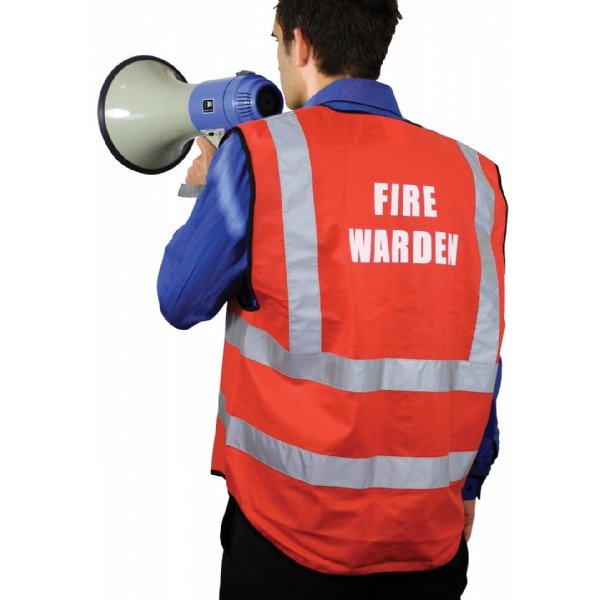
Good training educates you to ask 3 concerns promptly: Exists confirmed smoke, fire, or heat? Is the panel showing spread over one's head device or area? Do I have a legitimate, benign reason from maintenance or occupant activity that is already quit? If two of those three suggest threat, rise. Leave the affected location first, reveal clearly, and prepare to extend the discharge if problems intensify. Record the time and reasoning. Fire solutions inevitably appreciate a cautious technique backed by clear details when they arrive.
Tying skills to daily reality
Emergency skills discolors unless you anchor it to day-to-day routines. Encourage wardens to do tiny points consistently: inspect exit doors throughout an early morning stroll, eye the fire indication panel heading past, evaluate their radio batteries weekly, and introduce themselves to brand-new team. The chief warden can establish a five‑minute program thing in group meetings to cover a micro-topic: exactly how to make use of the WIP, exactly how the alert versus evacuation tone appears, where the evac chairs live.
In one warehouse, we tied the warden's morning stretch-and-flex to a thirty‑second suggestion about keeping aisles clear of pallets and not chaining open fire doors. The obstructed door count went down to near zero within a month, extra effective than any kind of strict memo.
What a strong evaluation day looks like
When I run a consolidated fire warden training and chief fire warden training day, the form is predictable yet flexible. We start with a walk through the site's crucial points: panel, risers, hydrant inlets, smoke doors, stairway pressurisation, evac chairs. We then sit enough time to agree on functions and radio methods, not to drown in slides. Circumstance one is low intricacy: a single-zone alarm from a known annoyance location. Situation two is multi-factor: a contractor record, an alarm in a surrounding area, a lift fault, and a person transfer or VIP meeting underway.
Candidates for PUAFER005 show flooring sweep, door control, tranquil guidelines, and aligning at the staircase head. Prospects for PUAFER006 demonstrate command, clarity, prioritisation, and the self-confidence to say "I don't know yet, examining now." We wrap with an after-action evaluation that names what to transform tomorrow. People leave exhausted, a bit sweaty, and better prepared.
The takeaways for leaders and safety professionals
You do not require an actors of thousands to run a durable ECO. You need the best people, trained to the right devices, checked in your actual atmosphere, and sustained to keep their abilities fresh. PUAFER005 operate as part of an emergency control organisation is the engine room of warden capability. PUAFER006 lead an emergency control organisation is the guiding wheel in the chief warden's hands. Proof matters due to the fact that on the day, confidence originates from method and from understanding you have done it previously, not from a certificate on a wall.
Invest in 2 things past the certifications: scenarios with authentic decisions, and connections with base structure, safety, and emergency solutions. Include the tiny touches that seem trivial today, like standardising the chief warden hat colour to white throughout all lessees, or practicing the precise words for a partial discharge. When the alarm sounds and hundreds of faces seek direction, those financial investments pay off in calm voices, organized staircases, and everyone going home.
Take your leadership in workplace safety to the next level with the nationally recognised PUAFER006 Chief Warden Training. Designed for Chief and Deputy Fire Wardens, this face-to-face 3-hour course teaches critical skills: coordinating evacuations, leading a warden team, making decisions under pressure, and liaising with emergency services. Course cost is generally AUD $130 per person for public sessions. Held in multiple locations including Brisbane CBD (Queen Street), North Hobart, Adelaide, and more across Queensland such as Gold Coast, Sunshine Coast, Toowoomba, Cairns, Ipswich, Logan, Chermside, etc.
If you’ve been appointed as a Chief or Deputy Fire Warden at your workplace, the PUAFER006 – Chief Warden Training is designed to give you the confidence and skills to take charge when it matters most. This nationally accredited course goes beyond the basics of emergency response, teaching you how to coordinate evacuations, lead and direct your warden team, make quick decisions under pressure, and effectively communicate with emergency services. Delivered face-to-face in just 3 hours, the training is practical, engaging, and focused on real-world workplace scenarios. You’ll walk away knowing exactly what to do when an emergency unfolds—and you’ll receive your certificate the same day you complete the course. With training available across Australia—including Brisbane CBD (Queen Street), North Hobart, Adelaide, Gold Coast, Sunshine Coast, Toowoomba, Cairns, Ipswich, Logan, Chermside and more—it’s easy to find a location near you. At just $130 per person, this course is an affordable way to make sure your workplace is compliant with safety requirements while also giving you peace of mind that you can step up and lead when it counts.